
Epilepsy is a neurological condition that can affect people of all ages. It is associated with repeated seizures caused by unusual electrical activity in the brain. Early diagnosis and appropriate treatment can help patients manage seizures and maintain a better quality of life. Choosing a Neurology Hospital in South Delhi can help individuals receive timely neurological evaluation, diagnostic investigations, and personalised treatment guidance. At Maanmati Hospital, understanding neurological symptoms and seeking medical attention at the right time are important steps towards better brain health.
For fast information, direct chat with us on WhatsApp
Understanding Epilepsy and Its Symptoms
Epilepsy is a chronic neurological disorder characterised by a tendency to experience recurrent seizures. However, not every seizure automatically means that a person has epilepsy. Some seizures may occur because of temporary medical conditions, such as low blood sugar, infections, or other neurological problems.
The symptoms of epilepsy can vary depending on the part of the brain affected. Some people experience sudden movements, muscle stiffness, or loss of consciousness. Others may have brief episodes of staring, confusion, unusual sensations, or difficulty responding.
Common symptoms include:
- Sudden jerking movements of the arms and legs
- Temporary loss of awareness or consciousness
- Brief staring episodes
- Confusion after a seizure
- Unusual sensations before a seizure
- Temporary difficulty speaking or responding
Recognising these symptoms is important because early neurological assessment can help identify the possible cause and guide further treatment.
How Is Epilepsy Diagnosed at a Neurology Hospital in South Delhi?
Diagnosing epilepsy requires careful evaluation of symptoms, medical history, and neurological investigations. A Neurology Hospital in South Delhi can help patients understand the diagnostic process and the importance of identifying the type of seizure they experience.
1. Detailed Medical History and Symptom Evaluation
The diagnostic process generally begins with a detailed discussion about the patient’s symptoms.
The doctor may ask:
- When did the first seizure occur?
- How frequently do seizures happen?
- How long does each episode last?
- Does the patient lose consciousness?
- Are there any warning signs before the seizure?
- Is there a family history of epilepsy?
- Has the patient experienced a previous head injury or neurological illness?
Information from family members or eyewitnesses can also be helpful. If someone has safely recorded a seizure episode, the video may provide useful information during the consultation.
2. Electroencephalogram (EEG)
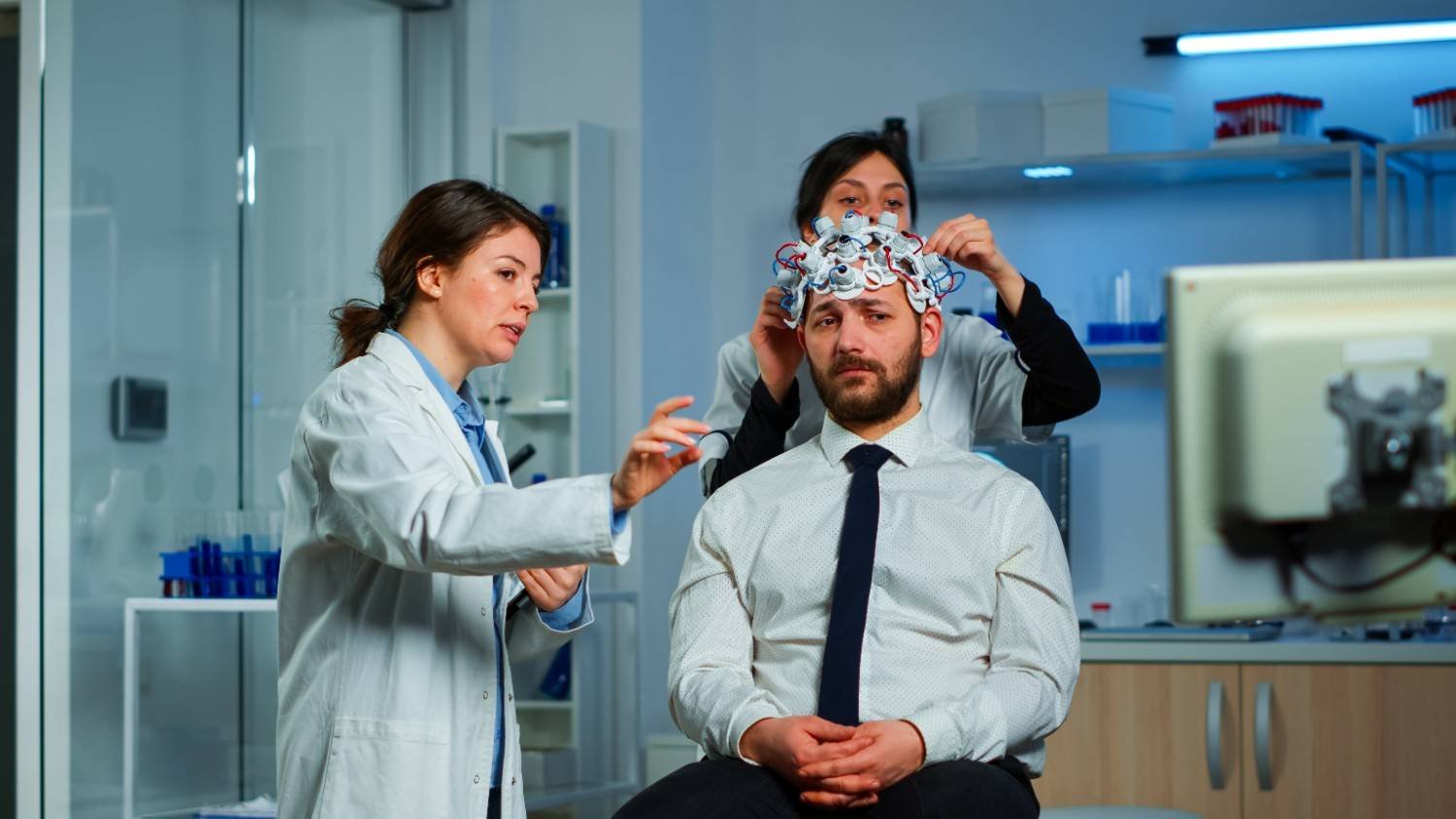
An electroencephalogram, commonly called an EEG, records electrical activity in the brain through small electrodes attached to the scalp.
This test helps doctors identify abnormal electrical patterns that may support an epilepsy diagnosis. It can also provide information about the type of seizure and the brain regions involved.
However, a normal EEG does not completely rule out epilepsy. The diagnosis depends on the patient’s symptoms, examination findings, and other investigations.
3. MRI and Other Brain Imaging Tests
Magnetic Resonance Imaging (MRI) may be recommended to examine the brain’s structure and identify possible abnormalities.
These abnormalities may include:
- Brain injuries
- Structural changes
- Certain brain infections
- Previous stroke-related changes
- Other abnormalities associated with seizures
In some situations, a CT scan may also be recommended, particularly when urgent assessment is necessary or an MRI cannot be performed.
4. Blood Tests and Additional Investigations
Blood tests may help identify medical conditions that can cause or contribute to seizures. These may include electrolyte disturbances, low blood glucose, or certain infections.
Depending on the patient’s symptoms and medical history, additional investigations may be recommended to understand the underlying cause.
How Is Epilepsy Managed at a Neurology Hospital in South Delhi?
Epilepsy management focuses on reducing seizure frequency, preventing complications, and improving the patient’s daily life. Treatment is personalised according to the seizure type, age, medical history, and response to medication.
Anti-Seizure Medication
Anti-seizure medicines are commonly used to control epilepsy. These medications help regulate abnormal electrical activity in the brain and reduce the likelihood of seizures.
The choice of medication depends on several factors, including:
- Type of epilepsy
- Patient’s age and overall health
- Frequency and severity of seizures
- Other medicines being taken
- Possible side effects
- Pregnancy-related considerations, where applicable
Patients should take prescribed medicines regularly. Stopping medication suddenly without medical advice may increase the risk of seizures.
Regular Neurological Follow-Ups
Regular consultations help doctors monitor treatment effectiveness and make necessary adjustments.
During follow-up appointments, patients may discuss seizure frequency, medication-related concerns, sleep patterns, and changes in symptoms.
A Neurology Hospital in South Delhi can be a suitable place to seek neurological evaluation and ongoing guidance for epilepsy management.
Lifestyle Changes for Better Seizure Management
Along with prescribed treatment, certain lifestyle habits may support better seizure control.
Important precautions include:
- Maintaining a regular sleep schedule
- Taking medications at the prescribed time
- Avoiding excessive alcohol consumption
- Managing stress effectively
- Staying hydrated
- Identifying personal seizure triggers
- Avoiding activities that may become dangerous during a seizure
Patients should also discuss driving, swimming, bathing, and other safety-related activities with their doctor.
What Should You Do During an Epileptic Seizure?
Knowing basic seizure first aid can help protect someone experiencing a seizure.
If a person has a seizure:
- Stay calm and remain with the person.
- Move nearby sharp or dangerous objects away.
- Protect their head with something soft.
- Do not restrain their movements.
- Never put anything inside their mouth.
- Turn them gently onto their side when possible, especially after convulsions stop.
- Note how long the seizure lasts.
Seek emergency medical assistance if the seizure lasts five minutes or longer, another seizure begins before the person recovers, breathing becomes difficult, or it is the person’s first seizure.
Why Choose Maanmati Hospital for Neurological Evaluation?
Understanding neurological symptoms can be stressful for patients and their families. Timely medical evaluation helps identify possible causes and supports informed treatment decisions.
Maanmati Hospital aims to support patients through appropriate medical consultation, diagnostic guidance, and healthcare services. Individuals experiencing recurrent seizures, unexplained episodes of unconsciousness, or other concerning neurological symptoms should seek professional medical evaluation.
If you are searching for a Neurology Hospital in South Delhi, discussing your symptoms with a qualified medical professional can help you understand the next steps in diagnosis and treatment.
Conclusion
Epilepsy can affect daily activities, confidence, and overall well-being. However, with proper diagnosis, appropriate medication, regular follow-ups, and suitable lifestyle precautions, many individuals can achieve meaningful seizure control.
Early evaluation is particularly important after a suspected first seizure. Understanding the symptoms, completing recommended investigations, and following medical advice can make epilepsy management more effective.
Maanmati Hospital encourages individuals experiencing neurological symptoms to seek timely medical guidance and prioritise their health.
Frequently Asked Questions (FAQs)
1. Can epilepsy be diagnosed after one seizure?
Yes, in certain situations. Epilepsy may be diagnosed after one unprovoked seizure if medical evaluation indicates a sufficiently high risk of future seizures. However, one seizure does not automatically mean a person has epilepsy.
2. Which tests are commonly used to diagnose epilepsy?
Common investigations include EEG, MRI, CT scans when appropriate, and blood tests. The doctor decides which tests are necessary based on the patient’s symptoms and medical history.
3. Is epilepsy a lifelong condition?
Epilepsy varies from person to person. Some individuals experience long-term seizure control and may eventually be considered for medication withdrawal under medical supervision. Others require ongoing treatment.
4. Can epilepsy be managed with medication?
Yes. Anti-seizure medications are the main treatment for many types of epilepsy. The right medication and dosage depend on the patient’s condition and should always be determined by a qualified doctor.
5. When should someone consult a Neurology Hospital in South Delhi for epilepsy?
Medical consultation is recommended after a suspected first seizure, recurrent seizure episodes, unexplained loss of consciousness, or unusual episodes of confusion. Emergency care is necessary for prolonged seizures or repeated seizures without recovery.
For further information, check out our official website: https://maanmatihospital.com/
