
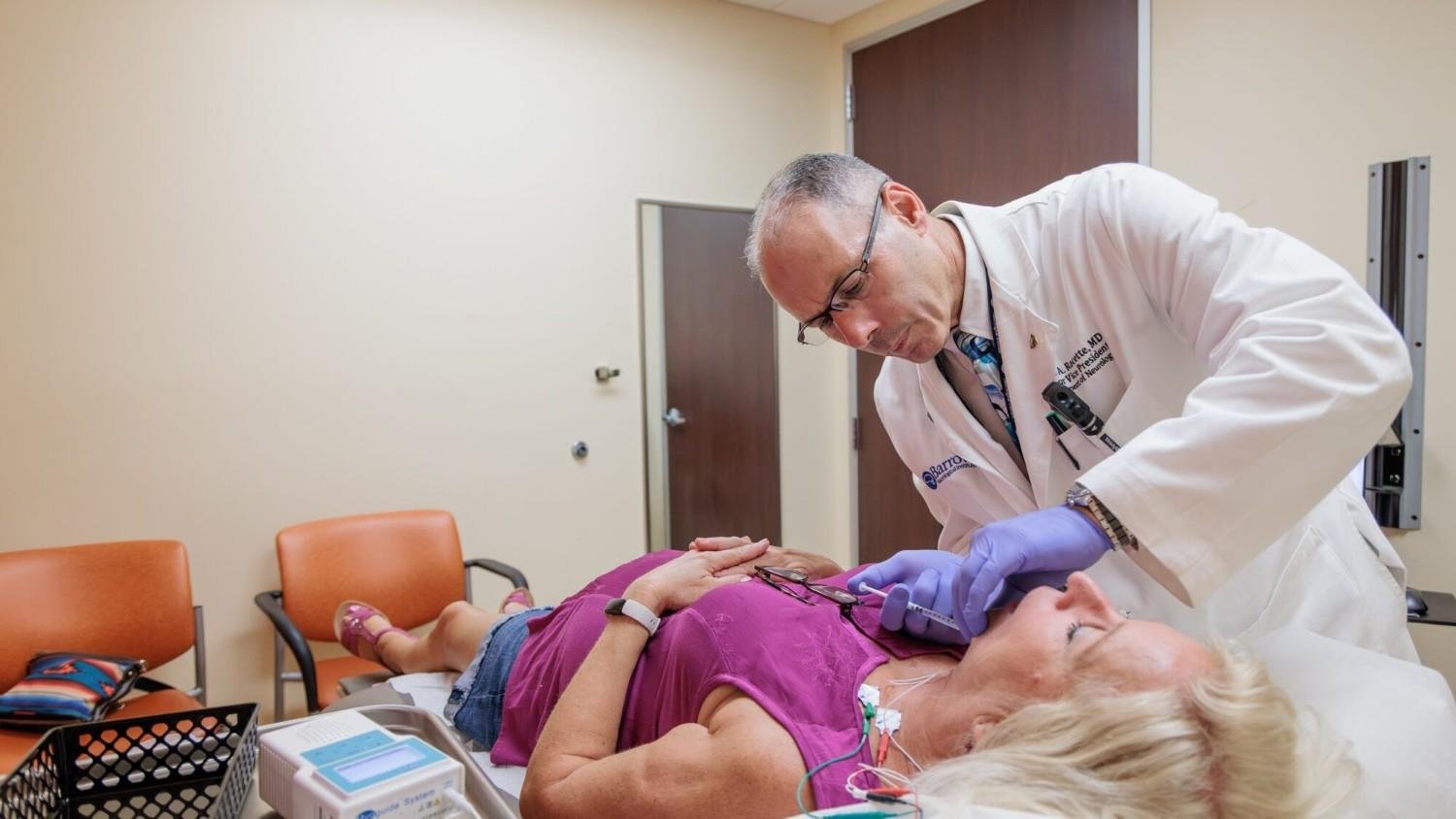
When someone develops frequent headaches, dizziness, tingling in the hands or feet, weakness in the limbs, memory changes, seizures, balance problems, or unexplained back pain with numbness, the first concern is often simple: What exactly is causing this? That is where the role of the Best Neurology Doctor in New Delhi becomes extremely important.
Neurological disorders affect the brain, spinal cord, peripheral nerves, and muscles. Because these systems control movement, sensation, memory, speech, coordination, and many automatic body functions, even a small problem can significantly affect daily life. A skilled neurologist does not rely on one scan or one blood test alone. Diagnosis usually involves a structured process that combines detailed history-taking, neurological examination, imaging, nerve studies, and targeted laboratory tests to identify the real cause of symptoms.
For fast information, direct chat with us on WhatsApp
At Maanmati Hospital, patients often seek help for conditions such as migraines, stroke symptoms, nerve pain, cervical and lumbar nerve compression, epilepsy, tremors, neuropathy, vertigo, and chronic spine-related neurological complaints. Understanding how the diagnostic process works can help patients seek timely care and avoid delays in treatment.
What Does a Neurology Doctor Diagnose?
A neurology doctor evaluates disorders involving:
- Brain – stroke, migraine, epilepsy, infections, memory disorders, tumors, movement disorders
- Spinal cord – myelopathy, spinal compression, inflammation, trauma-related nerve issues
- Peripheral nerves – neuropathy, sciatica, nerve injuries, tingling and numbness
- Neuromuscular system – muscle weakness, myasthenia, nerve-muscle junction disorders
- Balance and coordination systems – vertigo, gait problems, tremors, Parkinsonian symptoms
The Best Neurology Doctor in New Delhi focuses not only on diagnosing the disease but also on identifying where the problem is located in the nervous system. That localization is often the key to choosing the right test and treatment.
Why Neurological Diagnosis Needs a Structured Approach
Symptoms related to the brain, nerves, and spine often overlap. For example:
- A slipped disc can cause leg pain and numbness.
- Diabetic neuropathy can also cause burning and numbness in the feet.
- A stroke may cause weakness in one arm.
- A cervical spine problem may also cause arm weakness.
Because different disorders can produce similar symptoms, diagnosis has to be systematic. The Best Neurology Doctor in New Delhi typically follows a step-by-step approach to answer three major questions:
- What are the symptoms and how did they begin?
- Which part of the nervous system is likely affected?
- Which tests are actually needed to confirm the diagnosis?
Step-by-Step: How the Best Neurology Doctor in New Delhi Diagnoses Neurological Disorders
1. Detailed Medical History
Diagnosis begins with a thorough discussion rather than a scan. A neurologist will ask questions such as:
- When did the symptoms start?
- Did they appear suddenly or gradually?
- Are they getting worse?
- Is the problem one-sided or both-sided?
- Is there pain, numbness, weakness, memory loss, blackouts, or balance trouble?
- Do symptoms worsen with walking, coughing, neck movement, or stress?
- Is there a history of diabetes, high blood pressure, thyroid disease, vitamin deficiency, injury, infection, or stroke?
This history helps the Best Neurology Doctor in New Delhi understand whether the problem is likely related to the brain, a compressed spinal nerve, a metabolic issue, or a chronic nerve disorder.
Example:
- Sudden facial drooping and arm weakness raises concern for stroke.
- Burning feet with long-standing diabetes may suggest peripheral neuropathy.
- Neck pain with tingling into the fingers may point to cervical nerve compression.
2. Neurological Examination
A neurological exam is one of the most valuable parts of diagnosis. It helps the doctor determine which area of the nervous system is affected.
The exam may include:
Testing muscle strength
The doctor checks whether weakness affects one limb, one side of the body, or specific muscle groups.
Testing sensation
This includes checking for reduced sensation to touch, pinprick, vibration, or temperature.
Checking reflexes
Reflexes can be reduced in peripheral nerve problems and exaggerated in spinal cord or brain-related disorders.
Examining balance and coordination
Walking pattern, coordination, tremors, and posture may reveal cerebellar or movement-related disorders.
Cranial nerve examination
Vision, facial movement, speech, swallowing, and eye movement are assessed when brain or brainstem involvement is suspected.
A good neurological examination often narrows down the diagnosis before any advanced test is ordered.
3. Symptom Localization: Brain, Nerve, or Spine?
One of the key strengths of the Best Neurology Doctor in New Delhi is clinical localization. This means identifying where the disorder is most likely situated.
| Symptom Pattern | Possible Area Involved |
|---|---|
| One-sided weakness, speech problem, facial droop | Brain |
| Shooting pain from neck to arm | Cervical spine or nerve root |
| Lower back pain with leg numbness | Lumbar spine or sciatic nerve |
| Burning feet, numb toes, balance issue | Peripheral nerves |
| Seizures, memory change, confusion | Brain |
| Hand tremor, slowed movement | Movement-related brain pathways |
This step is important because it prevents unnecessary testing and helps the doctor choose the right investigations.
Common Tests Used by the Best Neurology Doctor in New Delhi
4. MRI and CT Scan
Imaging is commonly used when symptoms suggest problems in the brain or spine.
MRI Brain may be advised for:
- Stroke evaluation
- recurrent seizures
- severe headaches with red-flag symptoms
- brain infections or inflammation
- tumors or structural abnormalities
- memory and neurological decline
MRI Spine may be advised for:
- neck pain with arm numbness
- back pain with radiating leg pain
- weakness due to spinal cord compression
- disc prolapse
- spinal canal narrowing
- suspected myelopathy
CT Scan may be useful for:
- emergency stroke assessment
- head injury
- brain bleeding
- acute neurological deterioration
The Best Neurology Doctor in New Delhi chooses imaging based on the patient’s symptoms rather than prescribing it routinely for every complaint.
5. Nerve Conduction Study (NCS) and EMG
When the symptoms involve numbness, tingling, weakness, nerve pain, or suspected nerve damage, the doctor may advise nerve conduction studies and electromyography (EMG).
These tests help diagnose:
- peripheral neuropathy
- carpal tunnel syndrome
- sciatica and nerve root irritation
- muscle weakness caused by nerve disorders
- motor neuron or neuromuscular conditions
These tests are particularly useful when the source of pain or weakness is unclear.
6. Blood Tests and Metabolic Screening
Not every neurological symptom is caused by a structural problem in the brain or spine. Sometimes, the cause is metabolic or systemic.
Blood tests may be ordered to check for:
- diabetes-related nerve damage
- vitamin B12 deficiency
- thyroid disorders
- infections
- inflammatory markers
- electrolyte imbalance
- autoimmune conditions
This is especially important in patients with numbness, fatigue, muscle weakness, memory issues, or unexplained neuropathy.
7. EEG for Seizures and Episodes of Blackout
If a patient experiences seizures, blank spells, sudden loss of awareness, or unexplained jerking movements, the Best Neurology Doctor in New Delhi may advise an EEG (electroencephalogram).
EEG records electrical activity in the brain and helps in the evaluation of:
- epilepsy
- seizure disorders
- abnormal brain electrical activity
- certain episodes of confusion or blackouts
EEG is often used alongside MRI and clinical history rather than as a standalone diagnosis.
8. Lumbar Puncture or CSF Testing in Select Cases
In some situations, especially when infection, inflammation, meningitis, encephalitis, or autoimmune neurological disease is suspected, the doctor may recommend a lumbar puncture to examine cerebrospinal fluid (CSF).
This is not needed for every patient, but it can be very important in specific cases where symptoms suggest central nervous system infection or inflammatory disease.
Common Neurological Problems Diagnosed in Clinical Practice
The Best Neurology Doctor in New Delhi may evaluate a wide range of conditions, including:
Brain-Related Conditions
- Migraine and severe headaches
- Stroke and transient ischemic attack (TIA)
- Epilepsy and seizures
- Vertigo with neurological causes
- Memory problems and cognitive decline
- Tremors and movement disorders
Nerve-Related Conditions
- Peripheral neuropathy
- Diabetic neuropathy
- Sciatica
- Trigeminal neuralgia
- Facial nerve palsy
- Carpal tunnel syndrome
Spine-Related Neurological Conditions
- Cervical radiculopathy
- Lumbar radiculopathy
- Disc prolapse affecting nerves
- Spinal cord compression
- Numbness and weakness due to spine degeneration
Red-Flag Symptoms That Need Urgent Neurology Evaluation
Some symptoms should not be ignored because they may indicate a serious neurological problem.
Seek urgent assessment if there is:
- sudden weakness on one side of the body
- slurred speech or facial drooping
- sudden severe headache unlike usual headaches
- new seizures
- loss of consciousness
- rapidly worsening numbness or weakness
- difficulty walking with bladder or bowel changes
- persistent confusion or sudden memory change
These symptoms may require immediate evaluation by the Best Neurology Doctor in New Delhi or emergency medical care.
Common Problems Patients Face Before Diagnosis
Neurological conditions are often delayed because symptoms are misunderstood or dismissed. Common problems include:
- Assuming numbness is “just weakness” or “vitamin deficiency” without evaluation
- Treating repeated headaches without investigating warning signs
- Ignoring back pain that has started causing leg weakness or numbness
- Delaying consultation after brief episodes of speech trouble or facial drooping
- Confusing vertigo, fainting, and seizure-like episodes
Early consultation can prevent worsening of the underlying condition and improve recovery.
Benefits of Accurate Neurological Diagnosis
A correct diagnosis does more than name the problem. It guides the next step of care.
Benefits include:
- identifying whether the issue is in the brain, nerve, or spine
- avoiding unnecessary medicines and wrong treatment
- starting timely treatment for stroke, seizures, nerve compression, or neuropathy
- preventing progression in treatable conditions
- improving pain, mobility, balance, and daily functioning
- planning rehabilitation, physiotherapy, medication, or further specialist care when needed
At a hospital setting like Maanmati Hospital, patients also benefit from coordinated evaluation, imaging access, and follow-up planning under one roof.
Risks or Limitations in Neurological Diagnosis
Neurological diagnosis is often highly accurate, but there are practical limitations patients should understand:
- Some disorders may need more than one visit to show a clear pattern.
- Early disease may not always appear clearly on the first scan or test.
- Symptoms can overlap between orthopedic, metabolic, and neurological causes.
- Not every headache, back pain, or tingling episode requires advanced imaging immediately.
- Some tests are used to confirm a clinical suspicion, not replace the clinical exam.
This is why a careful clinical approach matters as much as the tests themselves.
Expert Insights: What Patients Should Do Before a Neurology Consultation
To help the Best Neurology Doctor in New Delhi reach a faster and more accurate diagnosis, patients should try to carry:
- previous MRI, CT, or X-ray reports
- blood test reports
- list of current medicines
- diabetes, BP, thyroid, or vitamin history
- details of when symptoms started
- a note of triggers, frequency, and duration of episodes
- videos of abnormal movements or seizure-like events, if safely available
This information often shortens the diagnostic process and avoids repeat testing.
Real-Life Use Cases: How Neurological Diagnosis Works in Practice
Case 1: Neck Pain with Tingling in the Hand
A patient comes with neck pain and tingling in the thumb and index finger. Clinical examination suggests nerve root irritation. MRI cervical spine confirms disc-related compression. Diagnosis: cervical radiculopathy.
Case 2: Repeated Burning in Both Feet
A middle-aged patient with diabetes complains of burning feet, worse at night. Examination shows reduced sensation and reduced ankle reflexes. NCS supports diabetic peripheral neuropathy.
Case 3: Sudden Speech Trouble and Arm Weakness
A patient develops sudden slurred speech and weakness in one arm. Immediate neurological evaluation and brain imaging suggest stroke. Rapid diagnosis is critical to treatment timing.
Case 4: Recurrent Blackouts
A young adult reports episodes of blank staring followed by confusion. EEG and clinical history point toward seizure disorder, and treatment is planned accordingly.
How Maanmati Hospital Supports Neurology Evaluation in New Delhi
Patients searching for the Best Neurology Doctor in New Delhi often want more than just a consultation. They want a place where symptoms are taken seriously, evaluation is structured, and the next steps are clear.
At Maanmati Hospital, neurological complaints such as headaches, dizziness, nerve pain, numbness, weakness, suspected stroke symptoms, and spine-related nerve issues can be assessed with a patient-focused diagnostic approach. The goal is not just to order tests, but to understand the pattern of symptoms, identify the likely cause, and guide patients toward the right treatment plan.
FAQ Section
1. What symptoms should make me see the Best Neurology Doctor in New Delhi?
You should consider neurological evaluation if you have persistent headaches, numbness, tingling, weakness, tremors, seizures, memory changes, vertigo, severe neck pain with arm symptoms, or back pain with leg numbness.
2. Does every patient with headache need an MRI?
No. Many headaches do not need imaging. However, MRI may be advised if there are warning signs such as sudden severe headache, neurological deficits, seizures, vomiting, vision changes, or unusual headache patterns.
3. How does a neurologist know whether the problem is in the brain or spine?
The diagnosis starts with a detailed symptom history and neurological examination. The pattern of weakness, pain, numbness, reflex changes, speech issues, or balance problems often helps localize the problem before imaging is ordered.
4. What is the role of nerve conduction testing?
Nerve conduction studies help evaluate peripheral nerve problems such as neuropathy, nerve compression, and certain causes of weakness or tingling.
5. Can spine problems cause neurological symptoms?
Yes. Conditions like cervical or lumbar disc problems can compress nerves and cause pain, numbness, tingling, or weakness in the arms or legs.
6. Is dizziness always a neurological problem?
No. Dizziness can have many causes, including inner ear issues, low blood pressure, anxiety, or neurological disorders. A proper evaluation helps determine the cause.
7. What should I bring to my neurology appointment?
Bring prior scans, blood reports, medicine lists, records of previous diagnoses, and notes about when symptoms started and how often they occur.
Conclusion
Diagnosing disorders of the brain, nerves, and spine is not about ordering one test and giving one label. It is a careful medical process that starts with listening to the patient, understanding the pattern of symptoms, performing a focused neurological examination, and then using targeted investigations such as MRI, CT, EEG, nerve studies, and blood tests when needed.
If you are experiencing persistent headaches, nerve pain, weakness, tingling, seizures, balance problems, memory concerns, or spine-related symptoms, consulting the Best Neurology Doctor in New Delhi can help identify the real cause and prevent delays in treatment. At Maanmati Hospital, neurological evaluation is approached with attention to detail, clinical judgment, and patient-centered care so that diagnosis leads to meaningful next steps.
Author Bio
Maanmati Hospital is committed to delivering patient-focused medical care across multiple specialties with an emphasis on timely diagnosis, ethical treatment, and compassionate support. Through informative health content, Maanmati Hospital aims to help patients make informed decisions about symptoms, treatment options, and when to seek expert medical care.
For further information, check out our official website: https://maanmatihospital.com/
