
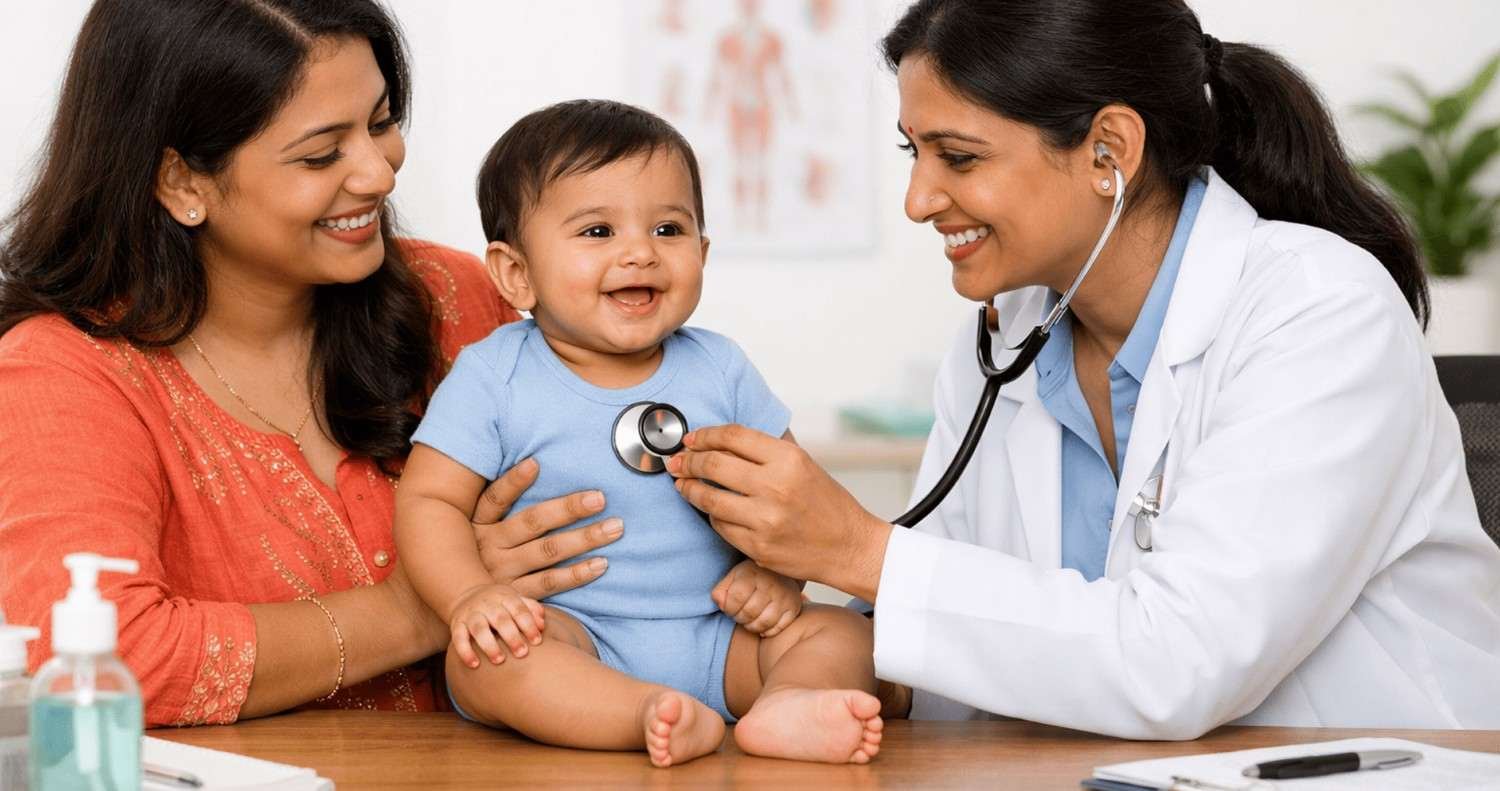
Regular health check-ups help children grow, develop, and stay healthy. Consulting the Best Pediatric Doctor in Safdarjung Enclave allows parents to monitor their child’s growth, keep vaccinations up to date, and identify potential health concerns early. Even when a child appears healthy, routine pediatric visits remain important.
For fast information, direct chat with us on WhatsApp
Many parents visit a doctor only when their child develops a fever, cough, or other symptoms. However, preventive check-ups also help assess nutrition, sleep, behaviour, and developmental milestones. The frequency of these visits depends on the child’s age, medical history, and individual health needs.
How Often Should Children Visit a Pediatric Doctor?
The recommended frequency of pediatric check-ups changes as children grow. Babies need more frequent visits during their first year. Older children usually need fewer routine appointments if they are healthy and developing as expected.
The American Academy of Pediatrics recommends age-based well-child visits from infancy through adolescence. Your pediatrician may adjust this schedule according to your child’s needs.
1. Newborns: The First Few Weeks
Newborns need close medical attention because their health and feeding patterns can change quickly.
A baby’s first check-up is generally recommended within the first few days after birth. Further visits may be scheduled at around one month of age and at other intervals recommended by the doctor.
During these appointments, the pediatrician may assess:
- Weight gain and feeding patterns
- Signs of jaundice
- Hydration and general health
- Sleep and newborn care
- Recommended vaccinations and screenings
Parents should contact a doctor promptly if a newborn develops a fever, has difficulty breathing, feeds poorly, or appears unusually sleepy.
2. Infants: Birth to 12 Months
The first year is a period of rapid physical and developmental growth. Therefore, babies need regular check-ups throughout this stage.
Appointments commonly occur around 2, 4, 6, 9, and 12 months, alongside earlier newborn visits. The exact schedule may vary depending on local recommendations and the baby’s medical needs.
During these visits, the doctor monitors weight, length, head circumference, feeding, and developmental progress. The pediatrician also reviews vaccination requirements and provides guidance about introducing solid foods when appropriate.
Choosing the Best Pediatric Doctor in Safdarjung Enclave can help parents understand feeding difficulties, sleep changes, teething, and other common concerns during infancy.
3. Toddlers: 1 to 3 Years
Toddlers become more active and begin developing important communication, movement, and social skills. Regular check-ups help parents understand whether their child is progressing as expected.
Visits are commonly scheduled around 15 months, 18 months, 24 months, and 30 months, followed by further age-based assessments.
The pediatrician may evaluate:
- Height, weight, and overall growth
- Speech and language development
- Walking, coordination, and motor skills
- Eating habits and nutritional needs
- Sleep routines and behaviour
- Vaccinations and developmental screening
If parents notice delayed speech, limited interaction, feeding difficulties, or concerns about movement, they should discuss them with the doctor rather than waiting for the next routine appointment.
4. Preschool Children: 3 to 5 Years
Children between three and five years develop greater independence and prepare for school. Routine check-ups help assess their physical health and readiness for new activities.
For healthy children, annual visits are generally useful during this stage, alongside any additional appointments recommended by the pediatrician.
These check-ups may include growth measurements, vision and hearing assessments when indicated, oral health guidance, and vaccination reviews. The doctor may also discuss physical activity, healthy eating, screen time, and emotional development.
Parents can use these visits to discuss frequent infections, allergies, constipation, sleep difficulties, or changes in behaviour.
5. School-Age Children: 6 to 12 Years
School-age children may appear healthy but can still experience nutritional deficiencies, vision problems, posture concerns, or emotional difficulties.
An annual health check-up is a practical approach for many healthy children. However, children with ongoing medical conditions may need more frequent appointments.
During routine visits, the pediatrician may assess height, weight, growth patterns, physical activity, sleep, and school-related concerns. The doctor can also discuss healthy screen habits, dental care, and age-appropriate safety measures.
Parents should mention persistent tiredness, recurring headaches, changes in appetite, or difficulties with concentration. These symptoms may need further assessment.
6. Teenagers: 13 to 18 Years
Adolescence brings major physical, hormonal, emotional, and social changes. Regular medical visits help teenagers understand these changes and develop healthy habits.
Annual check-ups are generally recommended for adolescents, although individual needs may differ.
The doctor may review growth and puberty, nutrition, sleep, exercise, mental well-being, and vaccination status. Teenagers may also need guidance about stress, body image, personal hygiene, and healthy relationships.
Parents should encourage open conversations about health concerns. A supportive consultation can help teenagers feel more comfortable discussing sensitive issues.
What Happens During a Routine Pediatric Check-Up?
A routine pediatric visit involves more than checking whether a child is sick. It gives the doctor an opportunity to assess overall health and identify concerns that may not be immediately noticeable.
Depending on the child’s age, the appointment may include:
Growth monitoring: The doctor measures height, weight, and other age-appropriate indicators to assess growth over time.
Developmental assessment: The pediatrician checks age-appropriate language, movement, learning, and social skills.
Vaccination review: The doctor checks the child’s immunisation record and recommends any due doses.
Nutrition guidance: Parents receive advice about balanced meals, feeding practices, hydration, and healthy eating habits.
Preventive guidance: The doctor discusses sleep, hygiene, physical activity, accident prevention, and other age-related health needs.
The Best Pediatric Doctor in Safdarjung Enclave can help parents understand these assessments and decide whether additional tests or follow-up appointments are needed.
When Should You Take Your Child to the Doctor Between Check-Ups?
Routine appointments are important, but parents should not wait for the next scheduled visit when a child develops concerning symptoms.
Arrange a medical consultation if your child experiences persistent fever, recurring infections, poor weight gain, ongoing digestive problems, unusual tiredness, or developmental concerns.
Seek urgent medical care if your child has difficulty breathing, a seizure, severe dehydration, unusual unresponsiveness, or another serious symptom. A fever of 38°C (100.4°F) or higher in a baby younger than three months requires immediate medical assessment.
Children with asthma, diabetes, allergies, or other ongoing health conditions may also need personalised follow-up schedules.
Why Choose Maanmati Hospital for Pediatric Care?
Finding the right pediatric care provider helps parents manage routine health needs with greater confidence. Maanmati Hospital provides pediatric care information and services for children, including consultations, growth monitoring, vaccination guidance, and support for common childhood health concerns.
Parents looking for the Best Pediatric Doctor in Safdarjung Enclave can contact Maanmati Hospital to enquire about available pediatric consultations and appointment timings.
Regular communication with a pediatrician helps families understand their child’s health needs and make informed decisions at every stage of development.
Conclusion
Children need regular health check-ups even when they seem healthy. Newborns and infants require more frequent monitoring, while healthy preschoolers, school-age children, and teenagers generally follow age-based preventive visit schedules. Additional appointments may be necessary when symptoms or existing medical conditions require attention.
Consulting the Best Pediatric Doctor in Safdarjung Enclave helps parents monitor growth, review vaccinations, discuss developmental milestones, and address health concerns early. By following a personalised check-up schedule and seeking timely medical advice, parents can support their child’s long-term health and well-being.
Frequently Asked Questions
1. How often should a healthy child visit a pediatric doctor?
The schedule depends on age. Babies need frequent check-ups during their first year, while healthy older children generally benefit from annual preventive visits. Your pediatrician may recommend a different schedule based on individual needs.
2. At what age should a baby have the first pediatric check-up?
A newborn should generally have an initial check-up within the first few days after birth. The doctor will recommend follow-up appointments based on feeding, weight gain, jaundice risk, and overall health.
3. Are routine check-ups necessary if my child is not sick?
Yes. Routine visits help monitor growth, development, nutrition, and vaccination status. They also provide an opportunity to discuss concerns before they become more difficult to manage.
4. What should parents bring to a child’s health check-up?
Bring the child’s vaccination record, previous medical reports if available, a list of current medicines, and any questions about growth, sleep, nutrition, or behaviour. These details help the doctor assess the child’s needs.
5. When should I consult the Best Pediatric Doctor in Safdarjung Enclave between routine visits?
Seek medical advice if your child has persistent symptoms, poor growth, feeding difficulties, developmental concerns, or recurring illnesses. Serious symptoms, including breathing difficulties, seizures, or unusual unresponsiveness, require urgent medical care.
For further information, check out our official website: https://maanmatihospital.com/
