
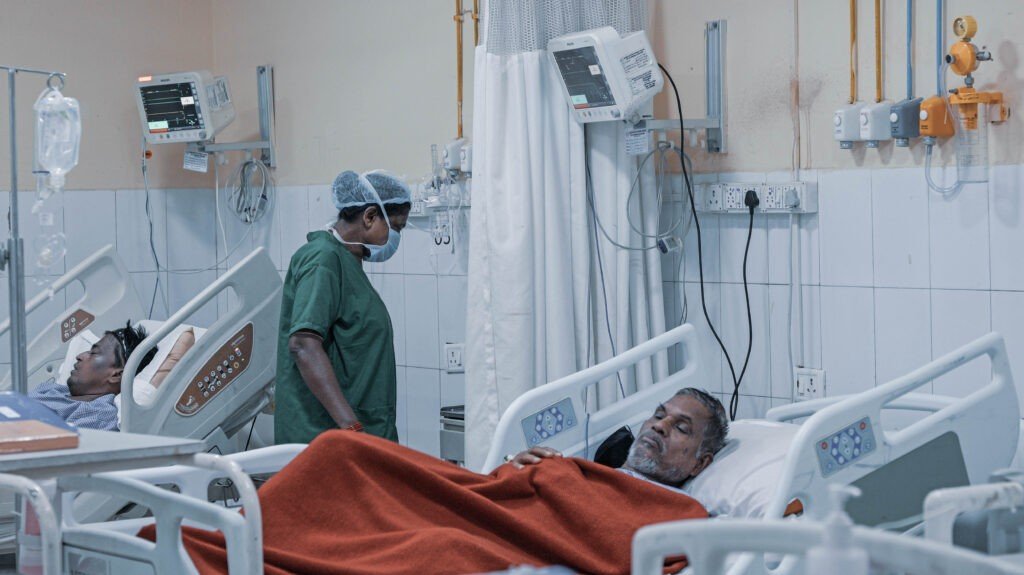
Medical emergencies can happen at any time. A sudden injury, breathing difficulty, severe abdominal pain, or chest discomfort may require immediate medical attention. Choosing a reliable Hospital in Katwaria Sarai can help you access timely assessment, appropriate treatment, and essential medical support when every minute matters.
For fast information, direct chat with us on WhatsApp
When looking for a hospital, it is important to understand which emergency services are available. These may include emergency medical assessment, trained healthcare professionals, diagnostic facilities, stabilisation, and referral or admission services when needed. Knowing what to expect can help patients and families make informed decisions during stressful situations.
Why Are Emergency Medical Services Important?
Emergency medical services help assess and treat conditions that need immediate attention. The main goal is to identify serious problems quickly, begin appropriate treatment, and reduce the risk of further complications.
A well-organised emergency department follows a structured process. Patients are assessed according to the seriousness of their symptoms rather than simply the order in which they arrive.
For example, a person experiencing severe breathing difficulty may need attention before someone with a minor injury. This approach helps medical teams prioritise patients who are most at risk.
When choosing a Hospital in Katwaria Sarai, look for clear emergency procedures, prompt initial assessment, and access to the appropriate level of medical care.
1. Immediate Emergency Assessment and Treatment
One of the most important services is rapid medical assessment. Emergency staff should be able to evaluate symptoms, check vital signs, and identify conditions that may be life-threatening.
Common reasons for emergency assessment include:
- Severe chest pain or suspected heart problems
- Difficulty breathing
- Sudden weakness or signs of a stroke
- Serious injuries or uncontrolled bleeding
- Severe abdominal pain
- Loss of consciousness or seizures
- Serious allergic reactions
The medical team may begin treatment while arranging further investigations. Patients who need specialised treatment may require transfer to a suitable facility.
Before an emergency occurs, check whether your preferred hospital has an emergency department and which conditions it can manage.
2. Availability of Qualified Medical Professionals
Emergency care often requires teamwork. Doctors, nurses, and other healthcare professionals must assess patients, provide treatment, and monitor changes in their condition.
When evaluating a Hospital in Katwaria Sarai, consider whether it has qualified medical professionals available for emergency assessment and whether additional specialists can be contacted when required.
Different emergencies need different expertise. For instance, serious injuries may require surgical assessment, while suspected strokes may need urgent neurological evaluation.
It is also useful to understand whether the hospital provides round-the-clock emergency care or operates with specific emergency service hours. Do not assume that every facility offers the same level of support.
3. Emergency Diagnostic and Laboratory Services
Accurate diagnosis helps doctors decide which treatment is needed. Depending on the symptoms, emergency investigations may include blood tests, urine tests, electrocardiograms (ECGs), or medical imaging.
These investigations can help identify problems such as infections, blood sugar abnormalities, heart-related conditions, and internal injuries.
However, not every emergency requires every test. The doctor selects investigations based on the patient’s symptoms, examination, and medical history.
When choosing a Hospital in Katwaria Sarai, ask which diagnostic services are available on-site and whether urgent tests can be performed outside routine working hours.
If a required investigation is unavailable, the hospital should explain the next steps and arrange an appropriate referral when necessary.
4. Ambulance Services and Emergency Transport
Ambulance services can be important when a patient cannot travel safely to a hospital independently. Trained ambulance personnel may provide essential support during transport, depending on the ambulance’s equipment and staffing.
When checking emergency transport arrangements, consider:
- Whether an ambulance service is available
- How to request emergency transport
- Whether trained personnel accompany the patient
- What level of equipment and medical support is provided
- Whether the service covers your location
Not every hospital operates its own ambulance fleet. Some facilities coordinate with external ambulance providers.
For a medical emergency in India, call 112 for emergency assistance. For a suspected heart attack, stroke, severe injury, or breathing emergency, seek immediate professional help rather than waiting for symptoms to improve.
5. Stabilisation and Critical Care Support
Some patients need immediate treatment to stabilise their condition before further investigations, admission, surgery, or transfer.
Stabilisation may involve supporting breathing, controlling bleeding, managing severe allergic reactions, or treating dangerously abnormal vital signs.
For critically ill patients, access to an intensive care unit (ICU), appropriate monitoring equipment, and trained critical care professionals may be essential.
When comparing a Hospital in Katwaria Sarai, confirm whether it has an ICU and whether the unit can manage the type of emergency you are concerned about. If critical care is unavailable, ask how urgent transfers to a suitable facility are handled.
Hospital capabilities can vary, so it is important to verify these details directly.
6. Emergency Care for Children and Older Adults
Children and older adults may have different medical needs during an emergency. Children require age-appropriate assessment, while older adults may have multiple health conditions or take medicines that affect treatment decisions.
For children, urgent concerns may include breathing difficulties, severe dehydration, high fever with concerning symptoms, or serious injuries.
Older adults may experience emergencies involving falls, sudden confusion, chest pain, or changes in consciousness.
A suitable hospital should be able to assess the patient’s age, medical history, symptoms, and immediate risks. If specialised paediatric or geriatric services are needed, the emergency team should advise whether those services are available or whether referral is appropriate.
7. Clear Communication and Patient Guidance
Emergencies can be frightening for patients and their families. Clear communication helps everyone understand what is happening and what needs to be done next.
Healthcare professionals should explain the initial findings, recommended tests, treatment options, and any need for admission or referral.
Families may also need guidance about medical records, medication history, consent, and follow-up care.
When selecting a Hospital in Katwaria Sarai, consider whether staff provide clear instructions and explain the limits of available services. Good communication supports informed decisions and helps reduce confusion during stressful situations.
8. Admission, Referral, and Follow-Up Care
Some emergencies can be managed with treatment and discharge instructions. Others require hospital admission, surgery, specialist care, or transfer to a higher-level facility.
Before choosing a hospital, find out how it manages these situations. Ask whether inpatient beds are available, which specialists can be consulted, and how referrals are arranged when a required service is unavailable.
Follow-up instructions are also important. Patients should understand which medicines to take, what warning signs to watch for, and when to return for review.
A Hospital in Katwaria Sarai should help patients understand the next stage of care after the immediate emergency has been addressed.
How to Choose the Right Hospital in Katwaria Sarai
The best choice depends on the type of emergency, the patient’s needs, and the services available at the facility.
Before an emergency occurs, consider checking:
- Emergency service availability and operating hours
- Qualifications and availability of medical professionals
- Diagnostic and laboratory facilities
- Ambulance arrangements
- ICU and critical care capabilities
- Specialist consultation and referral procedures
- Hospital location and transport access
You can contact Maanmati Hospital to confirm which emergency and diagnostic services it currently provides. Always verify availability rather than assuming that every service is offered around the clock.
Conclusion
Choosing a hospital before a medical emergency occurs can help patients and families respond more confidently when urgent care is needed. Important factors include prompt assessment, qualified healthcare professionals, diagnostic support, ambulance arrangements, stabilisation, and access to critical care or referral services.
When considering a Hospital in Katwaria Sarai, focus on the services available for your specific needs and confirm the hospital’s emergency capabilities in advance. Maanmati Hospital encourages patients and families to seek timely medical attention and follow professional guidance when serious symptoms develop.
Frequently Asked Questions
1. What emergency services should a hospital provide?
Essential emergency services may include initial assessment, urgent treatment, vital-sign monitoring, diagnostic investigations, stabilisation, and arrangements for admission or referral. The exact services depend on the hospital’s facilities and staffing.
2. How can I check whether a hospital offers 24-hour emergency care?
Contact the hospital directly and ask about emergency department hours, the availability of doctors and nurses, diagnostic services, ambulance arrangements, and critical care support. Confirm which services are available overnight and on holidays.
3. When should I go to a hospital emergency department?
Seek emergency medical attention for symptoms such as severe chest pain, difficulty breathing, uncontrolled bleeding, sudden weakness, loss of consciousness, or a serious injury. Call 112 in India when emergency assistance is required.
4. Why are diagnostic facilities important during an emergency?
Diagnostic investigations can help doctors identify the cause and severity of a medical problem. Depending on the symptoms, these may include blood tests, ECGs, and imaging. The appropriate tests depend on the patient’s condition.
5. What should I bring when visiting a hospital during an emergency?
If it is safe and does not delay treatment, bring identification, existing medical records, a list of current medicines, known allergy information, and relevant insurance details. In a life-threatening emergency, getting medical help should always come first.
For further information, check out our official website: https://maanmatihospital.com/
