
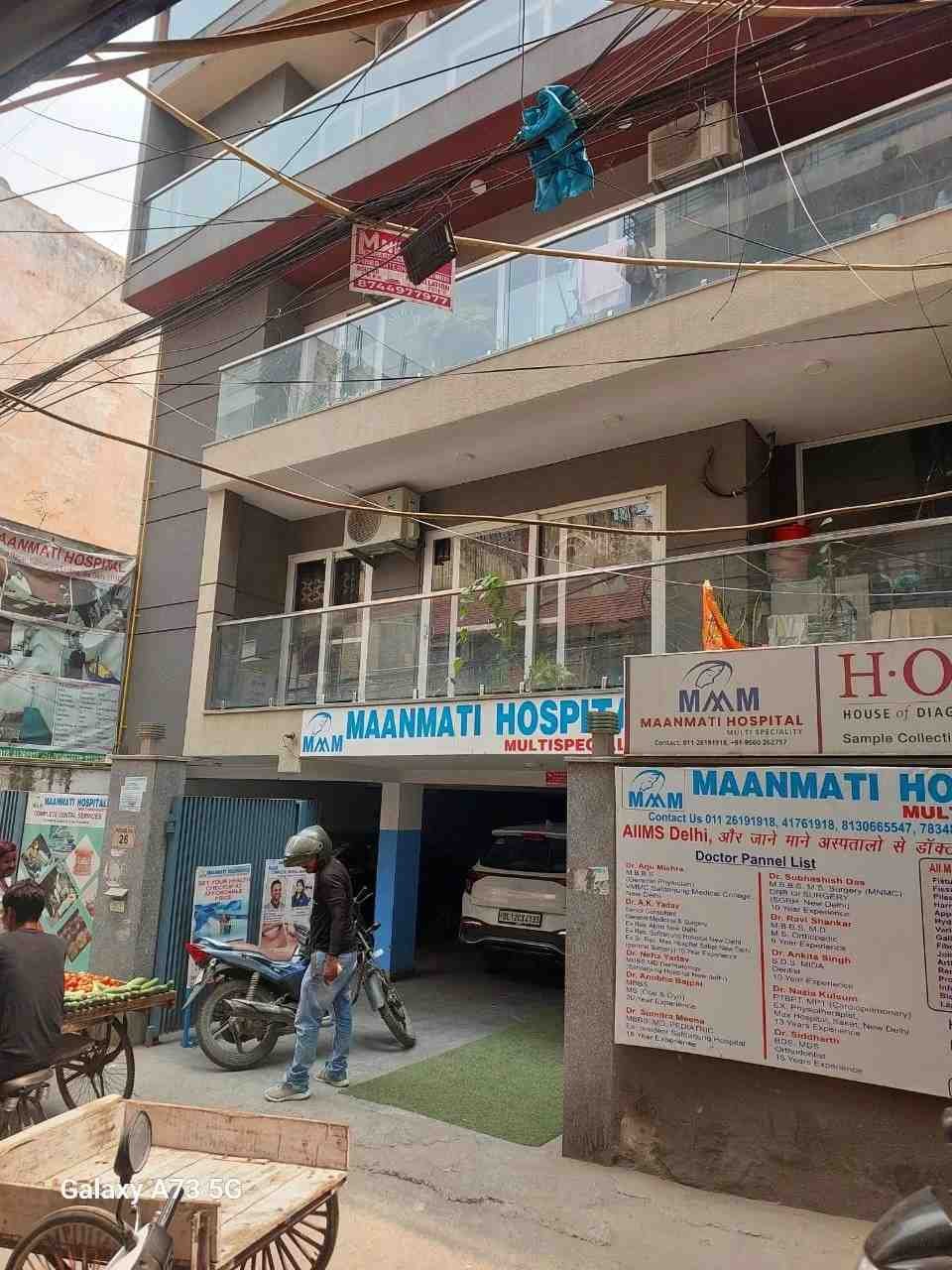
Medical emergencies can happen unexpectedly and often require immediate attention. Knowing when to seek emergency medical care can help prevent complications and protect your health. If you are looking for a Hospital in Safdarjung Enclave, understanding emergency symptoms and available medical facilities is important for making timely decisions. Maanmati Hospital provides 24/7 emergency services to support patients who need urgent medical attention.
Some medical conditions may appear minor initially but can become serious without proper evaluation. Therefore, recognizing warning signs and seeking professional medical help at the right time is essential.
For fast information, direct chat with us on WhatsApp
What Is Emergency Medical Care?
Emergency medical care refers to immediate medical assessment and treatment for conditions that may threaten life, health, or bodily function. These situations require prompt attention from trained healthcare professionals.
Emergency care focuses on evaluating the patient’s condition, identifying immediate risks, and providing suitable treatment or stabilization.
A Hospital in Safdarjung Enclave with emergency facilities can help patients access timely medical assistance when unexpected health problems occur.
1. When Should You Visit a Hospital in Safdarjung Enclave for Chest Pain?
Chest pain should never be ignored, particularly when it begins suddenly or feels severe.
You should seek emergency medical attention if chest pain occurs with:
- Difficulty breathing
- Excessive sweating
- Dizziness or fainting
- Pain spreading to the arm, jaw, back, or shoulder
- Nausea or unusual weakness
These symptoms may indicate a heart attack or another serious medical condition.
Do not wait for the symptoms to disappear on their own. Immediate medical evaluation is important because early treatment can improve outcomes.
2. Severe Breathing Difficulty Requires Immediate Attention
Breathing problems can develop due to asthma attacks, severe allergic reactions, respiratory infections, or heart-related conditions.
Visit a hospital immediately if someone experiences:
- Sudden or severe shortness of breath
- Bluish lips or fingertips
- Difficulty speaking because of breathing problems
- Severe wheezing or chest tightness
- Rapid worsening of breathing
A Hospital in Safdarjung Enclave with emergency services can assess breathing difficulties and determine the appropriate treatment.
If breathing becomes severely difficult, call emergency services rather than attempting to transport the patient without assistance.
3. When Should You Seek Emergency Care for High Fever?
Fever is a common symptom of infections. However, certain fever-related symptoms may require urgent medical attention.
Seek emergency evaluation if fever is accompanied by:
- Confusion or reduced consciousness
- Severe headache with neck stiffness
- Difficulty breathing
- Persistent vomiting
- Seizures
- Extreme weakness or signs of dehydration
Children, older adults, and people with weakened immunity may require additional attention.
A doctor can assess the underlying cause and recommend suitable investigations or treatment.
4. Accidents and Serious Injuries Need Immediate Medical Care
Road accidents, falls, burns, and workplace injuries can cause serious complications.
Even when an injury appears manageable, internal bleeding or other hidden damage may be present.
Visit a Hospital in Safdarjung Enclave immediately if an accident involves:
- Heavy bleeding
- Suspected fractures
- Head injury with vomiting or confusion
- Severe abdominal pain
- Loss of consciousness
- Deep wounds or serious burns
Avoid moving someone with a suspected spinal injury unless there is an immediate danger. Emergency professionals can provide appropriate assistance.
5. Recognizing Stroke Symptoms
A stroke occurs when blood supply to part of the brain is interrupted or bleeding occurs within the brain.
Recognizing stroke symptoms quickly is essential.
Remember the FAST approach:
- Face: One side of the face may droop.
- Arms: One arm may become weak.
- Speech: Speech may become unclear or difficult.
- Time: Seek emergency medical help immediately.
Other warning signs include sudden vision changes, severe dizziness, or an unexplained severe headache.
Even if symptoms disappear after a few minutes, medical evaluation remains necessary.
6. Severe Abdominal Pain Should Not Be Ignored
Abdominal pain may occur because of indigestion, infections, kidney stones, gallbladder problems, or other conditions.
However, sudden or severe abdominal pain can sometimes indicate a medical emergency.
Seek urgent medical attention if abdominal pain is associated with:
- Persistent vomiting
- Fever with severe pain
- A swollen or rigid abdomen
- Blood in vomit or stool
- Fainting or extreme weakness
- Severe pain that worsens over time
A medical examination can help identify the cause and determine whether further testing or treatment is required.
7. Serious Allergic Reactions Require Emergency Care
Allergic reactions can range from mild skin irritation to life-threatening anaphylaxis.
Symptoms of a severe allergic reaction may include:
- Swelling of the tongue or throat
- Difficulty breathing
- Sudden dizziness
- Rapid heartbeat
- Fainting
- Widespread hives with breathing or circulation problems
Anaphylaxis is a medical emergency. Call emergency services immediately and use prescribed emergency medication, such as an epinephrine auto-injector, if available.
Do not delay treatment while waiting for symptoms to improve.
8. What Should You Do Before Reaching a Hospital?
Taking appropriate steps before reaching a hospital can help reduce additional risks.
Here are some important precautions:
- Call emergency services if the patient is seriously ill or injured.
- Avoid giving food or drinks to someone who is unconscious.
- Do not administer medicines without appropriate medical guidance.
- Carry existing prescriptions and medical records if readily available.
- Inform healthcare professionals about allergies and ongoing medications.
- Avoid unnecessary movement after serious injuries.
Most importantly, do not delay emergency treatment to collect documents or complete administrative formalities.
Why Choose Maanmati Hospital for Emergency Medical Care?
Choosing the right healthcare facility is important during an emergency. Patients need timely assessment, professional medical attention, and appropriate treatment.
Maanmati Hospital provides emergency services 24/7 for patients requiring urgent medical attention. The hospital also offers laboratory support, nursing facilities, pharmacy services, operation theatre facilities, and multiple medical specialties.
These facilities support patient evaluation, treatment planning, and further medical care when required.
If you are searching for a Hospital in Safdarjung Enclave, understanding the available emergency services can help you make an informed healthcare decision.
The hospital follows a patient-first approach and aims to provide professional medical support in a comfortable healthcare environment.
Conclusion
Recognizing medical emergencies and seeking timely treatment can make a significant difference in patient outcomes. Symptoms such as chest pain, breathing difficulty, severe fever, stroke warning signs, serious injuries, and severe allergic reactions should never be ignored.
A Hospital in Safdarjung Enclave can provide essential medical assistance when urgent healthcare needs arise. Maanmati Hospital offers 24/7 emergency services along with diagnostic, nursing, and other healthcare facilities to support patients.
When a medical emergency occurs, seek professional help immediately rather than waiting for symptoms to improve.
Frequently Asked Questions (FAQs)
1. When should I visit a hospital for emergency medical care?
Visit a hospital immediately for symptoms such as severe chest pain, breathing difficulty, unconsciousness, heavy bleeding, stroke symptoms, or serious injuries.
2. Does Maanmati Hospital provide 24/7 emergency services?
Yes, Maanmati Hospital provides 24/7 emergency services for patients who require urgent medical attention.
3. Can high fever require emergency hospitalization?
Yes. High fever accompanied by confusion, seizures, breathing difficulty, severe dehydration, or other serious symptoms requires urgent medical evaluation.
4. Should I visit a hospital after a road accident?
Yes. Serious injuries, head trauma, heavy bleeding, suspected fractures, or loss of consciousness require immediate medical assessment. Some internal injuries may not show obvious symptoms initially.
5. How can I find a Hospital in Safdarjung Enclave for emergency care?
You can contact Maanmati Hospital to learn about its emergency services and available medical facilities. In a life-threatening emergency, call India’s emergency number 112 or seek immediate emergency assistance.
For further information, check out our official website: https://maanmatihospital.com/
